Blog

  • AI Email Automation for Lead Follow-Up and Customer Retention

    Email remains one of the most effective channels for both sales follow-up and customer communication. The problem is consistency. Messages are delayed, forgotten, or sent without the right context.

    Where automation helps

    Email automation works well when timing matters and the workflow is repeated:

    • Immediate reply after a form submission
    • Quote follow-up when a prospect has not responded
    • Onboarding sequences for new clients
    • Renewal and reminder emails
    • Re-engagement for inactive customers

    Where AI adds value

    AI can help tailor subject lines, summarize context, draft useful responses, and adapt messages to the lead or customer stage. The goal is not to send more email. The goal is to send the right message at the right time with less manual preparation.

    Why this matters for small teams

    In a small business, missed follow-up usually means missed revenue. Even a basic automated sequence can improve reply speed, reduce drop-off, and free the team to focus on live conversations and delivery work.

  • AI Chatbots for Website Support: What to Automate First

    A chatbot is useful when it solves a real support problem. It is less useful when it tries to replace the whole customer experience.

    For most small and medium businesses, the best chatbot use cases are simple. Answer common questions. Route the visitor to the right person. Collect the information needed for a better handoff. That is enough to improve response speed and reduce repetitive support work.

    What to automate first

    • Business hours, service areas, and pricing basics
    • Order or request status guidance
    • Lead qualification questions
    • Support category selection and routing
    • Appointment or callback request collection

    What should still go to a human

    Complex issues, high-value sales conversations, complaints, or anything involving exception handling should be escalated quickly. The purpose of the chatbot is to reduce friction, not trap the customer in a loop.

    Measure the outcome

    Look at first-response speed, number of tickets routed correctly, and the share of common questions handled without manual effort. If those numbers improve, the chatbot is doing its job.

  • How Small Businesses Can Save Time With AI Automation

    For many small businesses, the biggest operational problem is not a lack of ideas. It is the amount of time lost to routine work.

    Leads come in and wait for a reply. Teams copy information from forms into spreadsheets. Staff send the same reminder emails every week. Managers collect updates manually before they can make decisions. These tasks seem small individually, but together they slow revenue and reduce capacity.

    Where automation creates the fastest value

    The best first project is usually a repeated workflow that already follows a pattern. Good examples include:

    • Lead intake and qualification
    • Email follow-up after quotes or inquiries
    • Support triage for common questions
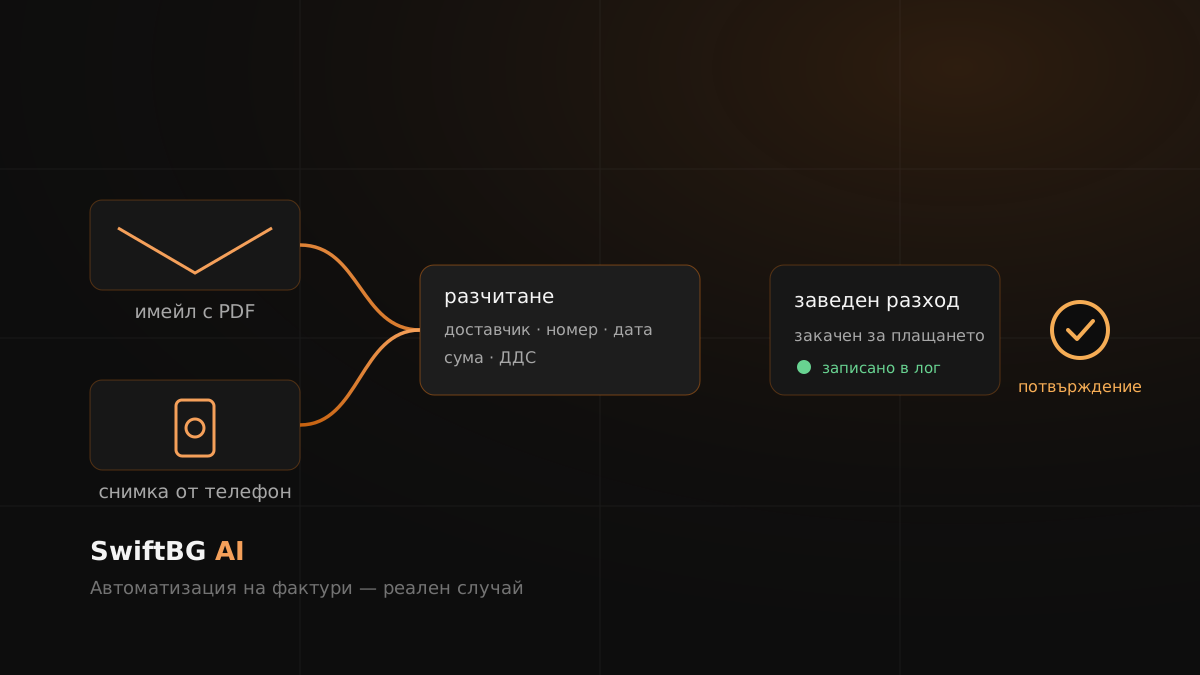
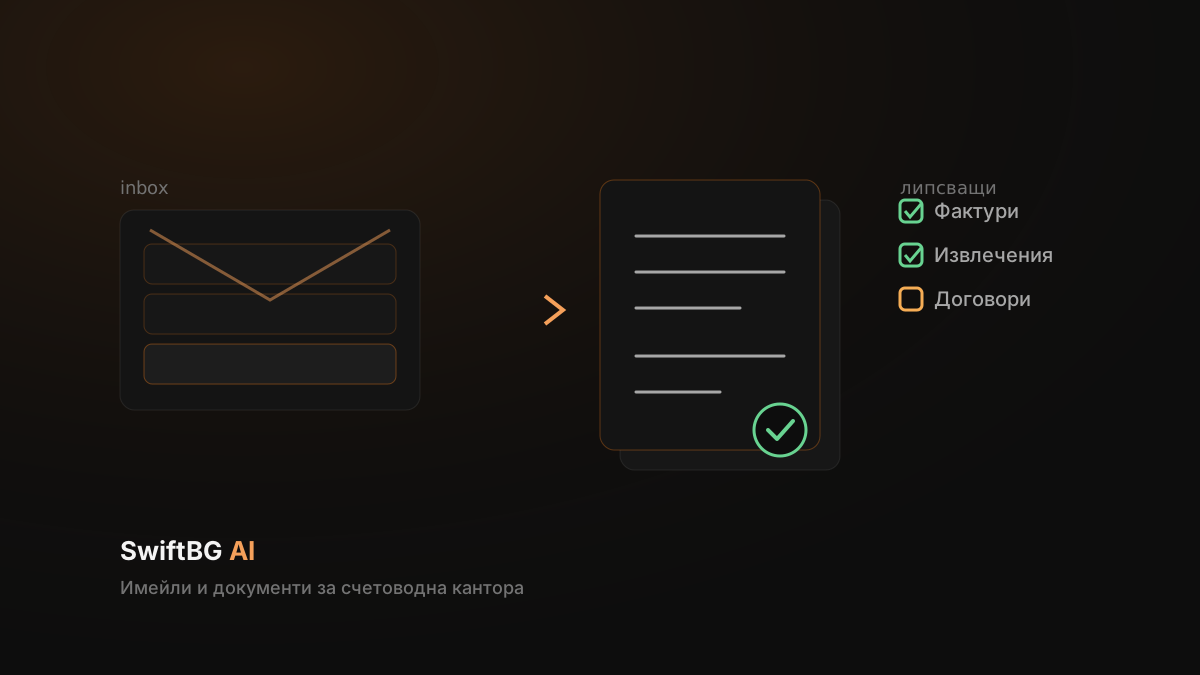
    • Document collection and data extraction
    • Weekly reporting and internal summaries

    What a good implementation looks like

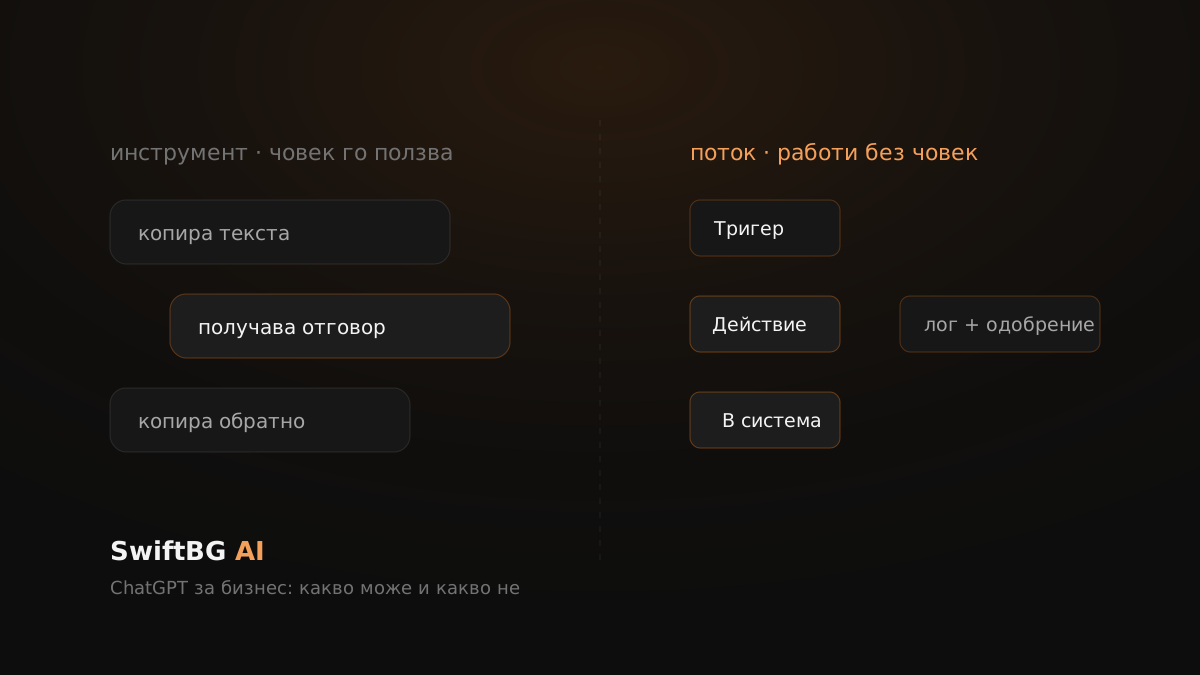
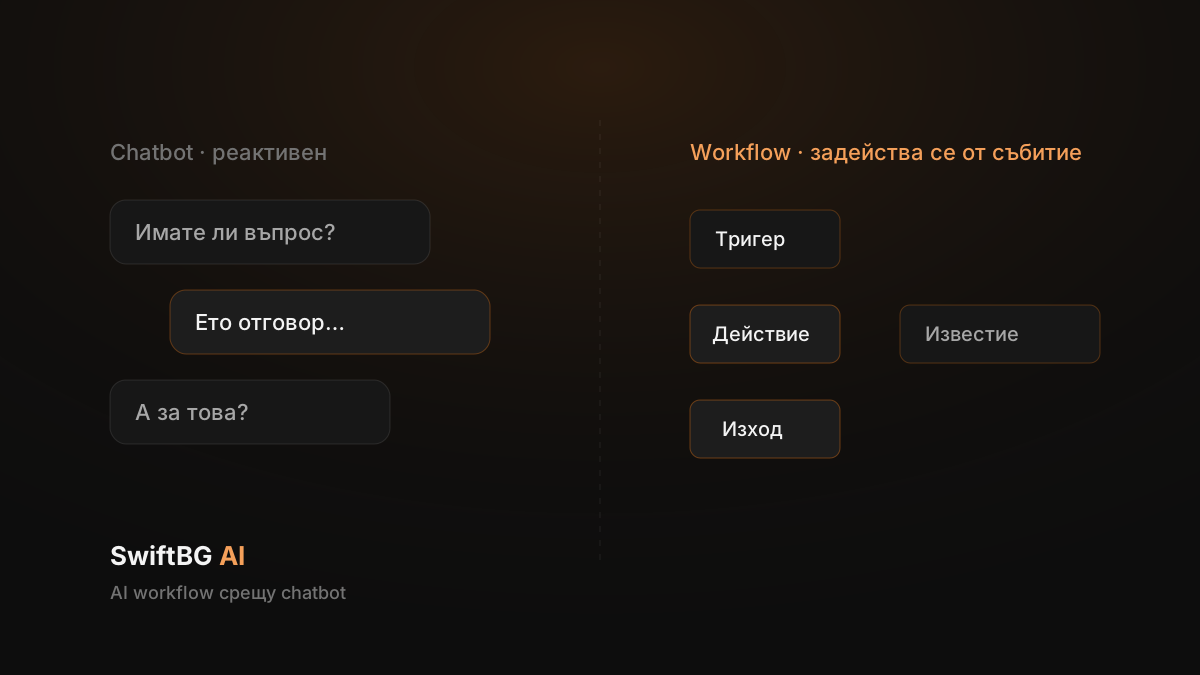
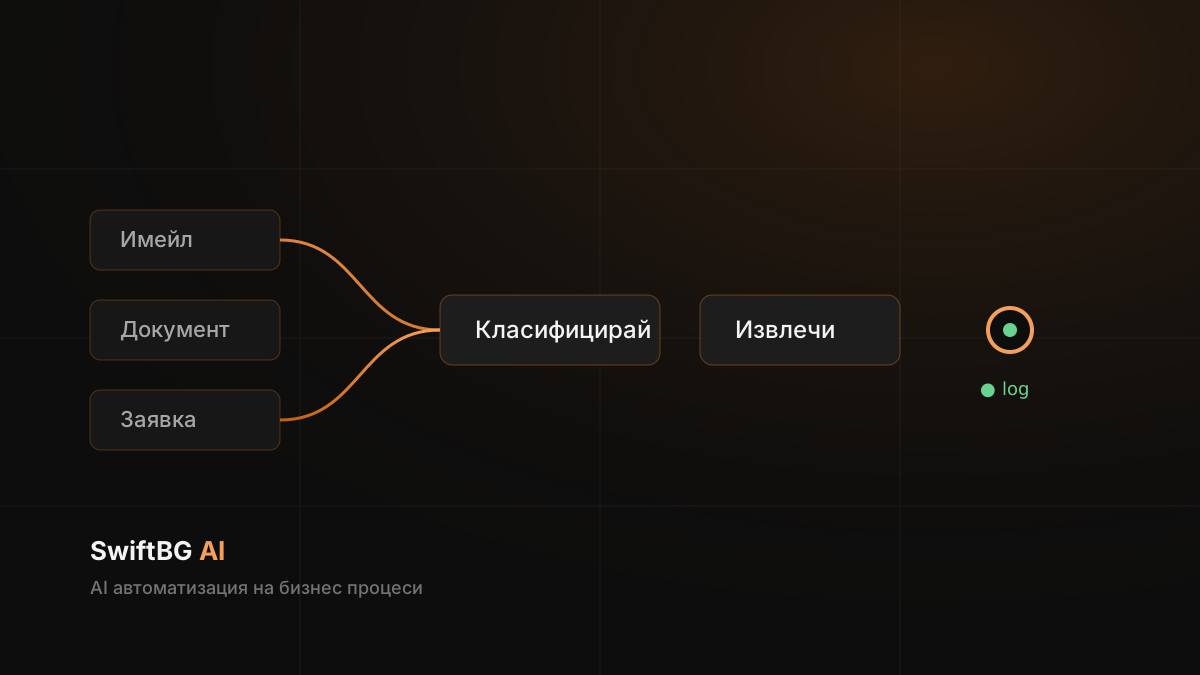
    A practical automation project should be easy to explain. There is a trigger, a set of actions, and a clear business outcome. For example, when a lead submits a form, the system can classify the inquiry, create the opportunity, notify the right team member, and send an immediate response. That removes delay without changing the whole business.

    Start with one process

    Most businesses do not need a large AI roadmap on day one. They need one process that works better next week than it does today. Once the first automation is stable, the next improvements become easier to identify and implement.